

Conquer Bettles, Alaska! This 7-day itinerary by Samara Woods reveals the raw wilderness of the Arctic, perfect for adventure seekers. Gear up, pack light, and explore the wild heart of Alaska.
Alright, listen up. Bettles, Alaska. The name itself whispers of remote, unforgiving beauty. This isn't a stroll in the park; it's a deep dive into the raw, untamed heart of the Arctic. Before you even think about stepping off that bush plane, understand this: you’re entering a realm where preparation isn’t just good practice, it’s your lifeline. The weather here is a fickle beast, capable of throwing a sunny morning into a biting blizzard in hours. Double-check your layers, your navigation tools, and your mental fortitude. The solitude is profound, the landscapes sweeping, and the challenge, immense. This is where you test yourself, push your limits, and rediscover what it means to be truly alive, stripped down to the essentials. Check out more travel ideas and trends on TripIdea.ai before you plunge into the Alaskan wild.
Why Bettles is Blowing Up Right Now
You might be wondering why this tiny dot on the map, hundreds of miles north of Fairbanks, is suddenly buzzing. Bettles is currently *exploding* as a trending destination for adventure travel, and it's generating incredible organic momentum across travel creators. Why? Because it’s the antithesis of the curated, overcrowded 'experiences' flooding social media. Bettles offers the genuine article: unadulterated wilderness, the gateway to Gates of the Arctic National Park and Preserve. Creators are flocking here not for resort lounging or Instagrammable brunch, but for the sheer, brutal authenticity of it all. They're capturing the raw majesty of the Brooks Range, the challenge of river crossings, the magic of the midnight sun, and the ethereal dance of the Aurora Borealis. It's real, it's tough, and it’s spectacular – exactly what the 'adventure' travel style demands. This isn't just a trip; it's a pilgrimage for those seeking to truly disconnect and test their mettle against one of Earth’s last great wildernesses.
Preparing for the Arctic Embrace
Your gear is your armor. Period. Pack light, pack smart. Forget anything non-essential. Every ounce counts when you're reliant on small aircraft and your own two feet. Think waterproof, windproof, and layered insulation. A reliable GPS with pre-loaded maps, a satellite messenger (absolutely critical for emergencies), a robust first-aid kit, and bear spray are non-negotiables. Food will be dehydrated, high-calorie, and vacuum-sealed. Your mental pacing is as crucial as your physical conditioning. The sheer scale of the landscape can be overwhelming. Break your days into manageable segments, conserve energy, and always, always prioritize safety over mileage.
Day 1: Arrival in the Wild North & Acclimatization
Your journey begins with a bush plane flight into Bettles, often from Fairbanks. The landing strip, a gravel path carved into the tundra, is your first hint of the isolation. Once you disembark, the crisp, clean air and vast horizon hit you immediately. This isn't a place for dawdling. Your priority today is logistical: check in at Bettles Lodge, if you've booked a stay, or secure your campsite permissions if you’re fully self-reliant. Perform a final gear check. Lay everything out. Are your stove and fuel ready? Water filter functional? Satellite messenger charged? Double-check your food cache. Spend the afternoon acclimatizing with a short, easy reconnaissance walk around the perimeter of the village. Observe the elevation, the terrain underfoot – it’s often soft, mossy tundra which can be deceptive. Pay attention to the light, the silence. This initial immersion is crucial for setting your mental state. Dinner will be simple but hearty, perhaps a freeze-dried meal or something acquired from the small local store. Remember: every calorie is fuel for the days ahead. Pacing advice: don't push it. This day is about preparation, not exertion. Get to bed early; the light might try to convince you it's still afternoon.
Day 2: First Footing into Gates of the Arctic
This is where the real trek begins. Depending on your chosen route, a small boat or another bush plane may be needed to transport you further into the park. Assuming a classic river-based entry, your day will involve navigating the initial stretches of a major river like the Koyukuk. The current will be a constant factor. Your goal today is to establish a solid hiking rhythm. Focus on efficient movement, maintaining situational awareness for wildlife, and practicing your navigation skills. The elevation changes might seem subtle at first, but the uneven terrain will constantly test your balance and ankle strength. Expect to cover a moderate distance, perhaps 8-10 miles, establishing camp early to ensure you're settled before twilight, which can stretch for hours depending on the season. This is where your minimalist philosophy truly pays off – less weight, less struggle. We'll be relying on resourceful meals like Smoked Arctic Char, if you can secure some locally before venturing out, a rich source of omega-3s and protein to sustain your energy levels in the cold.
Day 3: Uphill Battle and Ridge Traverse
Today is about gaining ground and elevation. You'll likely be moving away from the river valleys and ascending into the foothills of the Brooks Range. The terrain becomes rockier, the ascent more demanding. This is where your choice of boots, with robust ankle support and aggressive tread, will prove invaluable. The elevation gain will be gradual but relentless, perhaps 1,000-1,500 feet over the course of the day, with sweeping vistas opening up behind you. Keep your eyes peeled for caribou herds or Dall sheep on the higher slopes. Your mental pacing here is key: one foot in front of the other, steady, deliberate. Don't look at the summit; focus on the next fifty yards. Set up camp near a reliable water source, filtering every drop. For dinner, embrace the wilderness with a hearty Caribou Stew (dehydrated variety, of course) – a robust meal designed to replenish glycogen stores and keep you warm through the long Alaskan night.
Day 4: The Crucible of the Divide
Day 4 is the crucible. This is where the true character of your expedition reveals itself. You’ll be tackling a significant mountain pass or a particularly challenging section of river or tundra. The elevation gain will test your hamstrings, your quads, and your resolve. You might ascend 2,000 feet or more, scrambling over talus slopes or slogging through dense, wet tussocks. The wind can be relentless at higher elevations, biting through inadequate layers. But the clearing at the summit, the panoramic view of an endless, uninhabited wilderness, makes you forget the blisters entirely. This is the payoff. Navigate carefully down the other side, choosing your path with precision to avoid unnecessary energy expenditure or injury. Seek out sheltered spots for camp, away from exposed ridges. This is a 10-12 hour day of continuous effort. Pacing is paramount; small, frequent breaks and constant hydration will prevent bonking. For a mid-day energy boost, pack a small bag of dried local Wild Berries (like blueberries or cranberries) — small, potent bursts of natural sugar and antioxidants.
Day 5: River Crossings and Valley Exploration
After the intensity of Day 4, today might offer a slight change of pace, though not a reduction in challenge. You'll likely be navigating a valley floor, which often means multiple river crossings. Assess each crossing carefully: depth, current, substrate. Unclip your pack's hip belt and chest strap for quick release if necessary. Use trekking poles for stability. The flat valley might seem easier, but the meandering rivers and potential for deep mud or quicksand-like silt demand constant vigilance. Take time to observe the riparian ecosystems – moose often frequent these areas. This day is about strategic movement rather than brute force. Weave through the landscape, conserve energy. Allow yourself moments to simply sit and absorb the silence, the sheer immensity of the wild around you. This is where the mental reward truly begins to outweigh the physical toll. Dinner tonight could be a simple, calorie-dense Oatmeal with Dried Fruit and Nuts, a classic hiker's staple, providing sustained energy for the next push.
Day 6: Homeward Bound - The Long Descent
As you begin your return journey, the landscape takes on a new familiarity, yet still holds its mystique. You'll be retracing some of your steps or charting a new course back towards your pick-up point, whether it's a specific lake for a floatplane or a rendezvous point for a boat. The descent, while physically less demanding than the climb, still requires focus. Fatigue can lead to carelessness. Pay attention to your foot placement, especially on loose rock or slippery slopes. Reflect on the ground you’ve covered, the challenges overcome. This is where the lessons learned truly sink in. Ensure all your waste is packed out – leave no trace. Your goal is to reach your final camp or pick-up point well ahead of schedule, allowing for buffer time in case of weather delays for your bush plane. Enjoy a final wilderness dinner, savoring the last moments of solitude before the return to civilization. A simple but satisfying meal of Instant Mashed Potatoes with Dehydrated Vegetables will feel like a gourmet feast after days of sustained effort.
Day 7: Departure & Reflection
Your bush plane arrives, a tiny speck against the vast sky. The roar of the engine signals your reentry into a different reality. As you lift off, look down at the landscape you’ve just traversed. The mountains you climbed, the rivers you forded – they’re all laid out below, a testament to your endurance. The flight back to Bettles or Fairbanks is a time for quiet reflection. The physical toll might still be evident in your aching muscles and sun-kissed skin, but the mental reward is immense. You’ve faced the raw, untamed Arctic and emerged stronger, clearer, and more connected to the primal rhythm of the earth. This isn't just a trip; it's a transformation. You've walked where few dare, and that experience will stay with you long after the blisters have healed.
Practical Budget Tip for the Bettles Expedition
The biggest cost associated with a Bettles expedition is usually the bush plane charters, which are essential for accessing the deeper wilderness. To make this more palatable, consider traveling with a small, trusted group. Sharing the cost of a bush plane for drop-off and pick-up significantly reduces the per-person expense. Additionally, embrace self-sufficiency: bring all your own food (dehydrated meals are cheaper than purchasing last-minute supplies at remote outposts), and invest in quality gear that lasts, rather than having to replace it. Sleeping in a tent rather than lodge accommodations also provides substantial savings.
helpFrequently Asked Questions
Is navigating Bettles and the surrounding wilderness easy?expand_more
What's the best way to get around Bettles and access the trails?expand_more
How many days are needed for a full trail experience in Bettles?expand_more
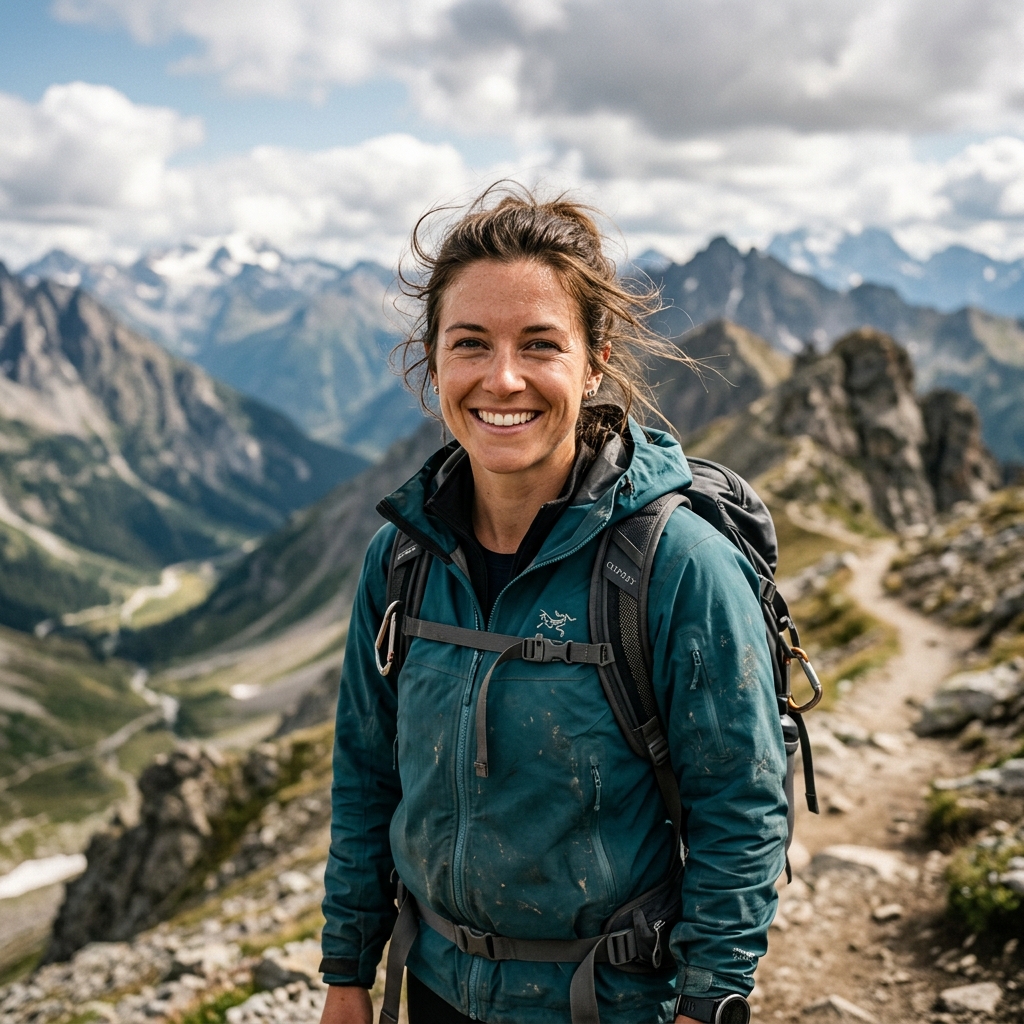
About the Author
Samara Woods
A minimalist hiker who has thru-hiked the most punishing and rewarding trails on earth. From the Andes to the Alps, she breaks down massive treks into digestible guides.

