

Hit the road to Valle de Bravo! Ryder Chase's no-nonsense guide covers driving logistics, top trails, local eats, and practical tips for a legendary Mexican adventure.
Alright, fellow road warriors, grab your keys! We're talking Valle de Bravo, Mexico. Forget the fluff; this place is the real deal, a lakeside marvel tucked into the mountains of Estado de México. If your rig’s got a full tank and your tires are aired up, you’re ready for a route that delivers on views, trails, and authentic Mexican vibes. I’ve seen my share of scenic pull-offs, and Valle de Bravo has earned its stripes.
This spot has been blowing up recently, and for good reason. It’s trending hard for the nature travel style, and let me tell you, it lives up to the hype. Travel creators are swarming this place, generating incredible organic momentum with hashtags like #edomex, #turismo, and #pueblosmagicos. It’s not just pretty pictures; it’s the raw, accessible adventure. You can see what I mean in this viral Instagram post – that's the kind of authentic experience we're chasing. This guide is your co-pilot for a trip that’ll test your suspension and fill your memory banks. So, let’s get the engine running. Check out more travel ideas and trends on TripIdea.ai before you head out.
Pre-Trip Tune-Up: Getting to Valle de Bravo
First things first: your rig. Valle de Bravo is about 2-3 hours west of Mexico City, depending on traffic. You'll primarily be on Mexico Federal Highway 15D, a solid toll road, but expect some mountain twists and turns as you get closer to town. Always check your oil and tire pressure before setting out. The last thing you want is a breakdown miles from the next reliable mechanic. Fill up in Mexico City or Toluca; gas stations get sparser and prices can fluctuate as you head into the hills. Road conditions are generally good on the main arteries, but once you're on the local roads around the lake, expect some unpaved sections and tighter turns. Keep an eye out for topes (speed bumps) – they'll sneak up on you if you're not paying attention.
Your Valle de Bravo Road Map: A Multi-Day Itinerary
This itinerary is designed for a fast-paced exploration, hitting the highlights without feeling rushed. You'll need reliable wheels for this one.
Day 1: Arrival & Lakeside Recon
Mileage Check: Roughly 95 miles (150 km) from Mexico City.
Hit the road early. The drive into Valle de Bravo itself is scenic, with pine-covered hills giving way to glimpses of Lake Avándaro. Your best bet for parking in town is usually the municipal lot near the main plaza or finding a spot on the outskirts and walking in. The cobblestone streets are narrow, so a compact vehicle has an advantage.
- Morning (10:00 - 13:00): Lake Avándaro & Dock Exploration. Head straight to the waterfront. This massive lake is the heart of Valle de Bravo. Take an hour or two to just walk the docks, watch the boats, and soak in the vibe. Plenty of vendors around if you need a quick snack or a cold drink.
- Lunch (13:00 - 14:30): Local Flavor at the Mercado. Ditch the fancy spots. Hit the Mercado de Artesanías for a no-frills, authentic meal. Keep an eye out for Sopa de Flor de Calabaza – a creamy squash blossom soup. It’s surprisingly hearty and packed with local flavor.
- Afternoon (15:00 - 17:00): Mirador La Peña & Town Walk. Time to get some elevation. Drive or hike up to the Mirador La Peña, offering panoramic views of the lake and town. The road up is steep but paved. There’s a small parking area at the top. Afterward, wander the main plaza, check out the Iglesia de San Francisco de Asís, and browse the artisan shops.
- Evening: Relax. Find a local spot for dinner. The pace here is relaxed once the sun goes down.
Day 2: Mountain Trails & Hidden Waterfalls
Fuel Up: Check your gas gauge. Today involves some driving on less-traveled roads.
- Morning (09:00 - 12:30): Velo de Novia Waterfall Hike. This is a must-see. Drive approximately 10 miles (16 km) south of Valle de Bravo towards Avándaro. The turn-off is well-marked. Park in the designated area (small fee usually applies). The hike to the Velo de Novia (Bride's Veil) waterfall is relatively easy, a mile or so round trip, and the falls are impressive. Allow a good 2-3 hours to explore the area, take photos, and just enjoy the forest air. Watch for loose gravel on the trails after rain.
- Lunch (13:00 - 14:30): Riverside Grill. Many small eateries near the waterfall area specialize in fresh fish. Try Trucha Empapelada, trout cooked in parchment paper with herbs and vegetables. It's light, healthy, and incredibly flavorful.
- Afternoon (15:00 - 17:30): Cerro Gordo & Lake Views. Head out towards the Cerro Gordo area. The roads here get a bit more rustic, so take it slow. Look for viewpoints offering different perspectives of the lake. This is a great area for some off-road photo ops if your rig can handle it.
- Evening: Dinner in Town. Explore a new restaurant around the plaza.
Day 3: Monarchs, Markets & Mud Roads (Seasonal Check Required)
Seasonal Alert: The Monarch Butterfly Sanctuaries are generally open from November to March. If you're outside this window, pivot to local market deep-dives and artisan workshops.
- Morning (08:00 - 14:00): Monarch Butterfly Sanctuary (Piedra Herrada or El Capulín). This is a longer drive, about 1.5-2 hours one way (40-60 miles / 65-95 km). Piedra Herrada is often recommended for its infrastructure. The roads leading to the sanctuaries can be uneven and dusty. You'll pay an entrance fee and likely hire a local guide (often mandatory) for the hike up to see the butterflies. The hike itself can be strenuous, especially at altitude. Bring water and wear sturdy shoes. This is a full morning excursion.
- Lunch (14:30 - 15:30): Roadside Refuel. On the way back from the sanctuary, look for roadside stands offering traditional Mexican fare. A hearty Mole de Olla (beef and vegetable stew) is perfect after a long hike and drive.
- Afternoon (16:00 - 18:00): Artisan Hunting. If you're not doing the butterflies, dedicate this time to exploring the smaller, independent artisan workshops just outside the main town. There are ceramics, wood carving, and textile artisans. Follow the signs, but don’t be afraid to pull over if you see a cool looking spot.
- Practical Budget Tip: Stick to the local markets and street food for lunch and snacks. You'll get more bang for your buck, and the flavors are usually more authentic than tourist-trap restaurants.
Day 4: Adrenaline & Departure Prep
Gear Check: Make sure everything is packed and secure for the drive home.
- Morning (09:00 - 12:00): Adventure Sports. Valle de Bravo is an adventure hub. If you're feeling it, consider paragliding (launches from the Mirador) or renting a jet ski or paddleboard on the lake. Paragliding operators are abundant near the Mirador – always check their safety records and equipment. For watersports, head to the main docks.
- Late Lunch (12:30 - 14:00): Last Bites. Before hitting the highway, grab one last taste of Valle de Bravo. You can't go wrong with classic Tacos al Pastor from a busy local stand. They're a reliable, delicious staple.
- Afternoon: Scenic Drive Out. Take the road less traveled if you have time. Instead of just hopping back on the main highway, explore some of the smaller country roads around Avándaro for some final mountain views before you link up with Federal 15D.
Fueling Your Adventure: Ryder's Grub Guide
Eating well on the road is crucial. Here are some dishes you absolutely need to track down:
- Sopa de Flor de Calabaza: A creamy, savory soup made from squash blossoms. It’s light yet incredibly satisfying, often found in local markets or smaller eateries. Perfect for a cool evening.
- Trucha Empapelada: Fresh trout, caught locally from the surrounding rivers or farmed, cooked in parchment paper with herbs, garlic, and sometimes vegetables. It's a healthy and flavorful choice, especially good near the waterfalls.
- Mole de Olla: A robust, hearty beef and vegetable stew in a rich, slightly spicy broth. This is serious comfort food, ideal after a long hike or a chilly day.
- Tacos al Pastor: You know 'em, you love 'em. Marinated pork cooked on a vertical spit, shaved into tortillas with pineapple, onion, and cilantro. A universal winner, always reliable, and every taqueria has its own twist.
Don't be afraid to pull over at a busy roadside stand. That's usually where the best, most authentic flavors are hiding. Just make sure the place looks clean and has a good turnover.
The Bottom Line: Keeping Your Wallet Tuned
Valle de Bravo can cater to different budgets, but my advice is always to embrace the local scene. Gas prices are standard for Mexico; plan your fill-ups in larger towns for better access. ATMs are available in Valle de Bravo, but carrying some cash is always a smart move for smaller vendors or rural areas.
Your biggest budget saver will be choosing where you eat. Skip the upscale restaurants and focus on the markets (Mercado de Artesanías or Mercado Municipal) and street food for lunches and even some dinners. You can get incredible, fresh meals for a fraction of the cost. Accommodation-wise, there are plenty of options from budget-friendly guesthouses to mid-range hotels. If you're truly van-camping, look for designated campgrounds or discreet spots outside of town, but always prioritize safety and local regulations.
So, there you have it, folks. Valle de Bravo is more than just a dot on the map; it’s a destination that earns its reputation with every twist of the mountain road and every shimmering lake view. It’s rugged, it’s beautiful, and it’s waiting for your tire tracks. Get out there, explore, and most importantly, keep those tires inflated. Ryder Chase, signing off from the road.
helpFrequently Asked Questions
Is navigating Valle de Bravo easy for first-time visitors?expand_more
What's the best way to get around Valle de Bravo?expand_more
How many days are recommended for a full Valle de Bravo experience?expand_more
About the Author
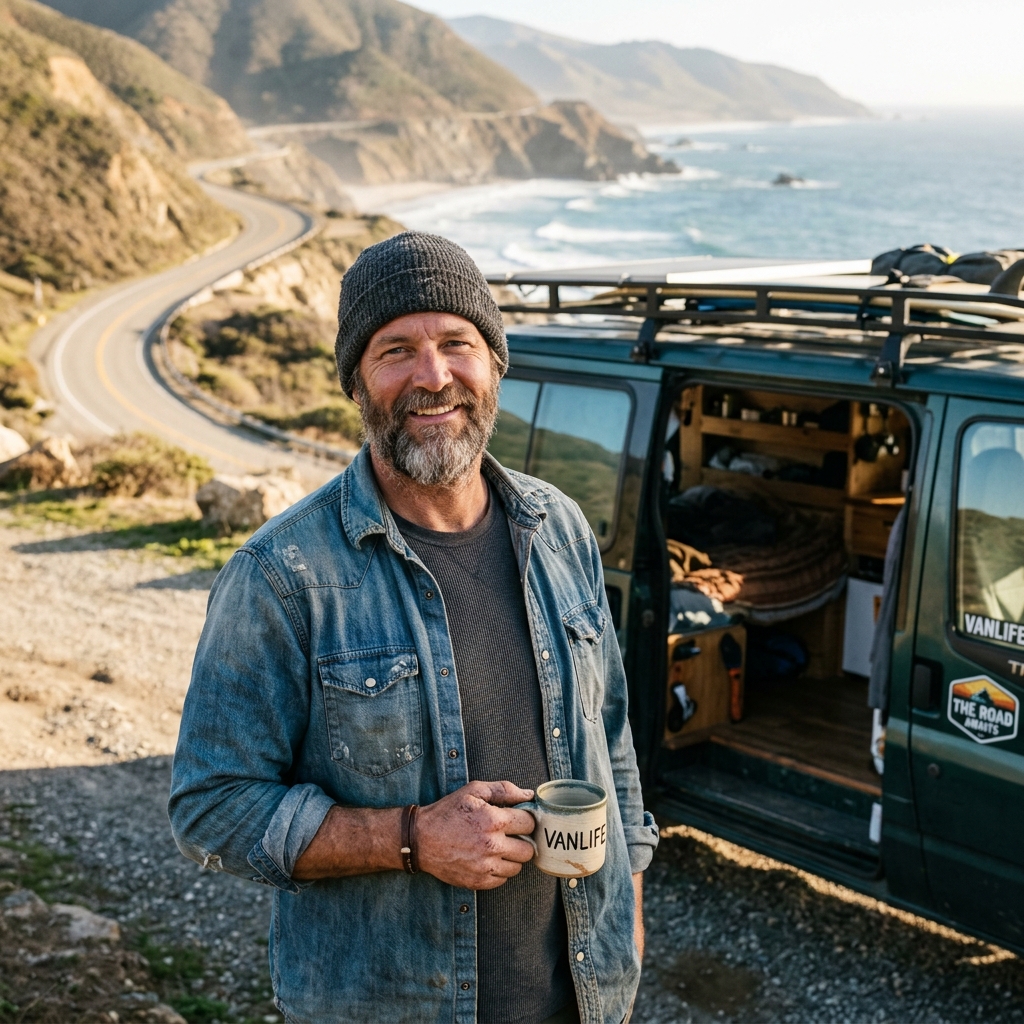
Ryder Chase
Ex-mechanic turned full-time van lifer. Ryder has driven everything from the Pacific Coast Highway to the Scottish Highlands.


